
Discover Gurgaon · City Spaces
Beyond offices and malls — the cultural, green, and heritage spaces that give Gurugram its soul.
Gurugram has world-class performance venues, restored Aravalli forests, and untapped heritage gems. Here is your guide to the city’s most enriching public spaces.
380 acres
Aravalli Biodiversity Park, Sector 77 — India’s first IUCN-recognised urban conservation area
200+
Bird species recorded in Aravalli Biodiversity Park, making it one of the finest urban birding sites in North India
City Hubs
Where Gurugram comes together
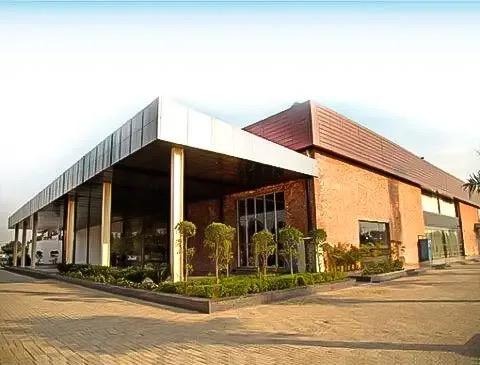
Orana Conventions
Orana Conventions ranks among Gurgaon’s top ten banquet hall. The venue hosts weddings, corporate functions, and large celebrations with flexible seating. It accommodates up to one hundred guests standing and seven hundred guests seated, suiting gatherings of any scale, from intimate ceremonies to grand receptions.
Sector-67, Gurugram
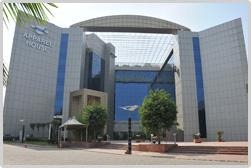
Epicentre
Epicentre is Gurugram’s cultural nerve centre, hosting music, dance, theatre, art exhibitions, workshops, and concerts throughout the year. Designed as a hub for creative expression, it draws performers and audiences from across the region, remaining one of the city’s premier spaces for both established and emerging artists alike.
Apparel House, Sector 44, Gurgaon
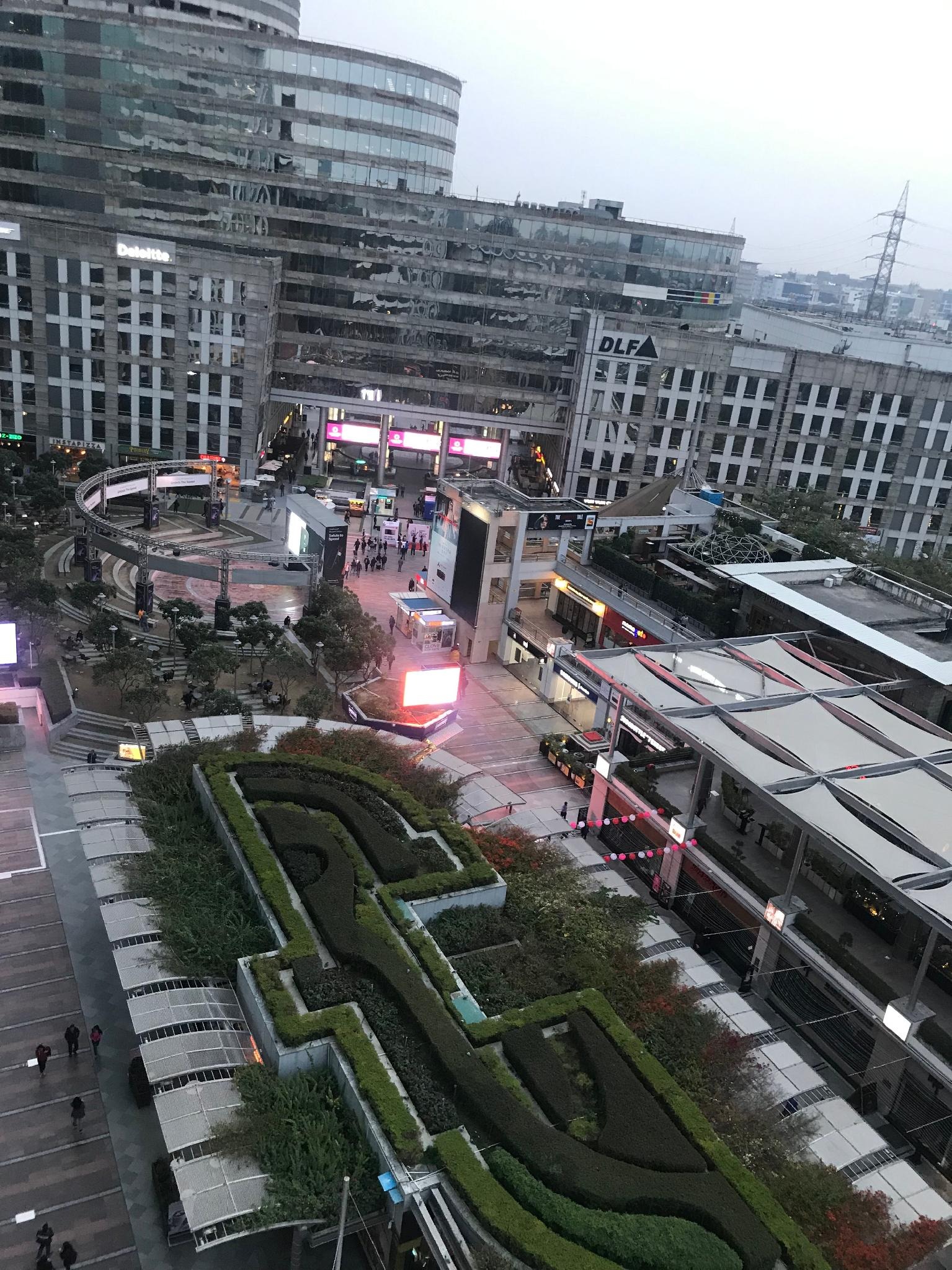
Cyber Hub Amphitheatre
Cyber Hub Amphitheatre is a 300-seat open-air venue equipped with high-technology sound, video, and lighting systems. Located in the heart of DLF Cyber City, it regularly hosts stage shows, theatrical performances, and thematic productions throughout the year, drawing crowds from the surrounding business district into its lively atmosphere.
DLF Cyber City, DLF Phase 2, Sector 24
Museums & heritage
Gurugram’s Museums
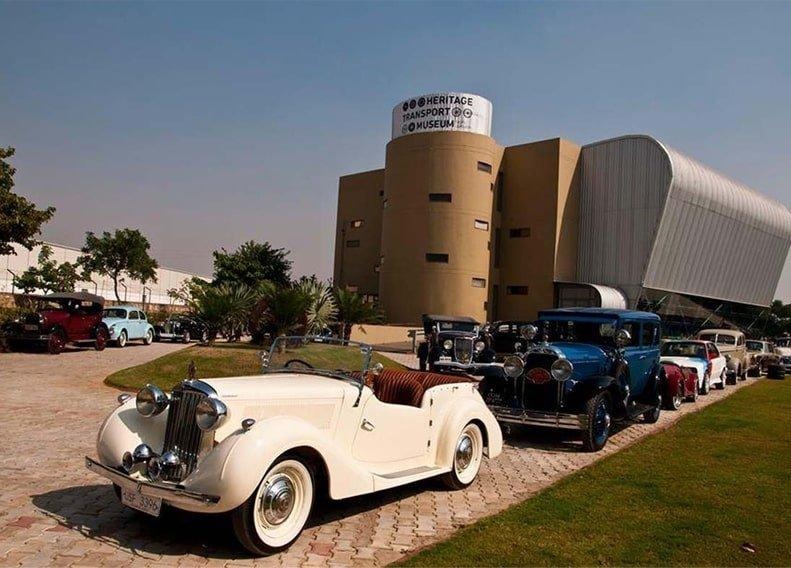
Heritage Transport Museum
Heritage Transport Museum is India’s first private transport museum at this scale, showcasing the evolution of transport from bullock carts to aircraft. Its extensive collection spans decades of automotive and transportation history, presented through immersive, participatory exhibits designed as a family-friendly experience for visitors of all ages.
Bilaspur–Taoru Road (MDR 132), off NH-48, Taoru

Camera Museo
Camera Museo is an 18,000 square foot museum dedicated entirely to the art and history of photography. Created through a public-private partnership between the India Photo Archive Foundation and the Municipal Corporation of Gurugram, it stands as one of its kind in India, showcasing vintage cameras and photographic techniques.
Shri Ganesh Mandir Marg, DLF Phase IV, Sector 28
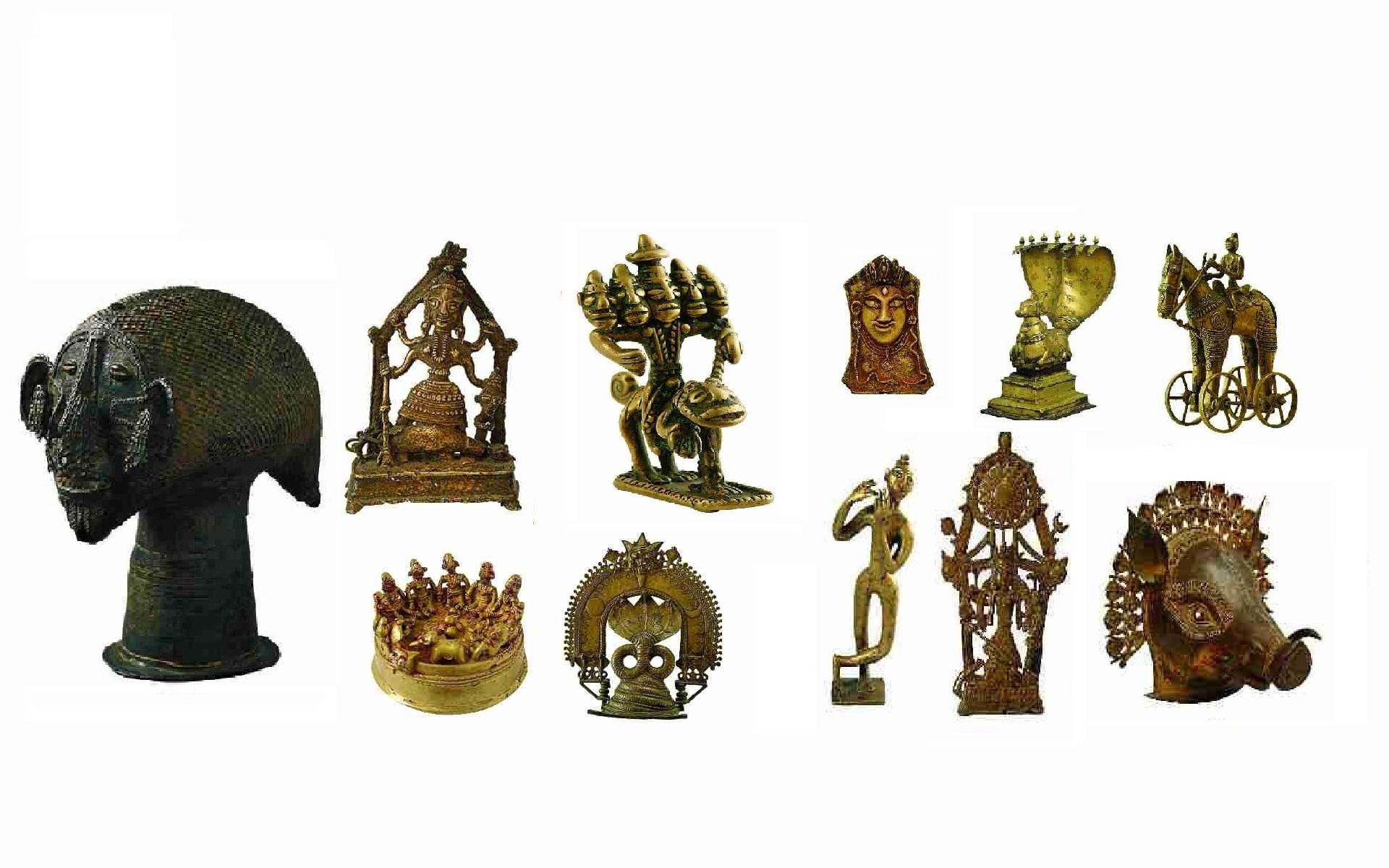
Museum of Folk & Tribal Art
Museum of Folk & Tribal Art is an undiscovered jewel within Gurugram’s urban estate, housing one of India’s most distinctive collections of folk and tribal artwork drawn from across the subcontinent. The collection reflects diverse regional traditions, craftsmanship, and storytelling styles, offering visitors a rare cultural window.
Urban Estate, Gurugram
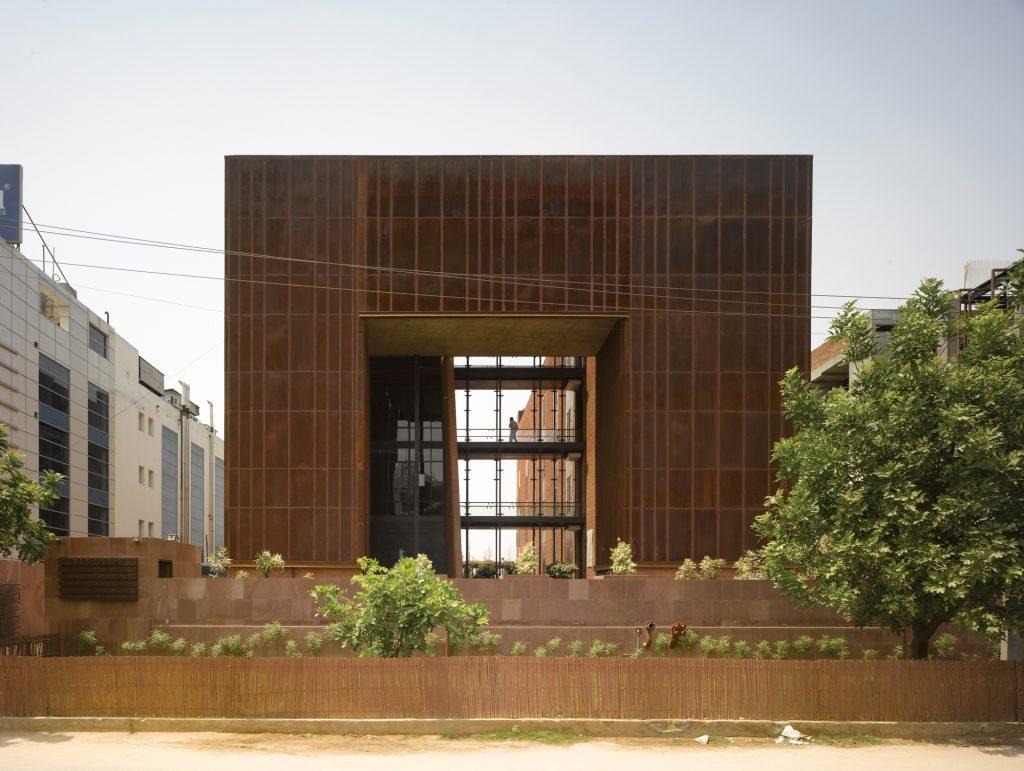
Devi Art Foundation
Devi Art Foundation hosts permanent and temporary exhibitions of Indian art drawn from the personal collections of its founders. Described by Art Asia Pacific as one of India’s most important private collections, it contains more than seven thousand contemporary, modern, and tribal artworks from across the subcontinent.
Devi Art Foundation, Sirpur House, Sector-44, Gurugram
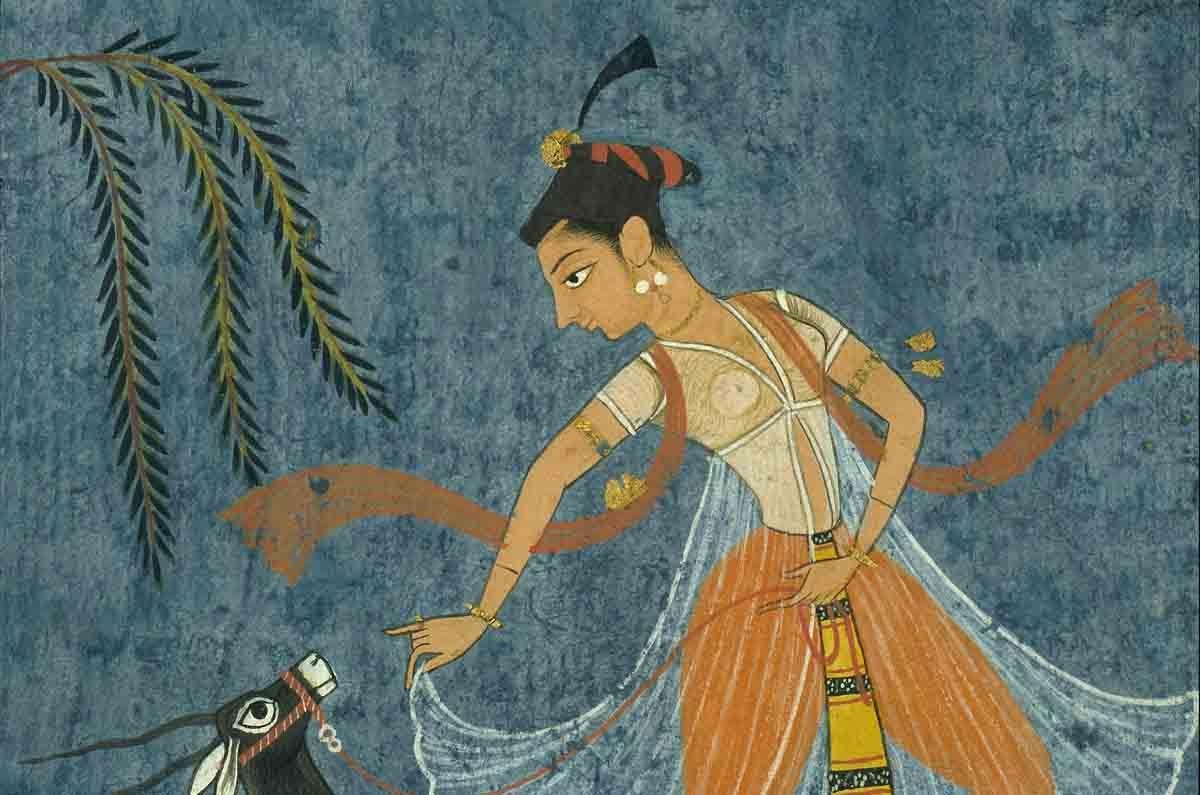
VMIS
VMIS, the Virtual Museum of Images and Sounds, draws from the archives of two centres within the American Institute of Indian Studies: the Centre for Art and Archaeology and the Archives and Research Centre for Ethnomusicology. This virtual space recreates a museum experience digitally, presenting curated, interactive exhibitions to a wider audience.
Ranbaxy corporate headquarters, 22, Institutional Area, Sector-32, Gurugram
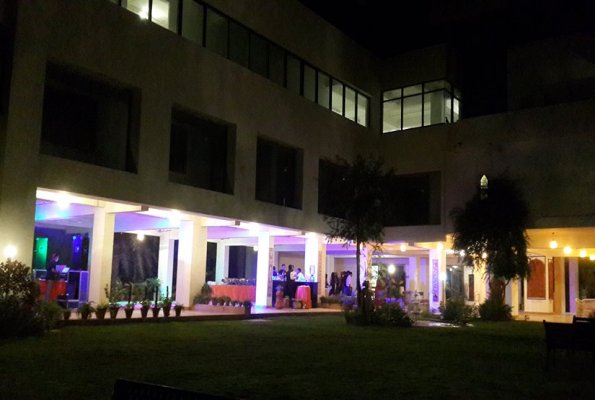
Urasvati Museum
Urasvati Museum offers wide-ranging coverage of seven northern and central Indian states, including Himachal Pradesh, Jammu & Kashmir, Haryana, Rajasthan, Madhya Pradesh, and Bihar. Its many displays present regional folklore through narrative form, giving visitors an accessible introduction to the diverse traditions and histories of these varied states.
Urasvati Art and Habitat Centre, Shikohpur Road, Sector – 78, Gurugram
Parks & green spaces
Breathe, walk, restore
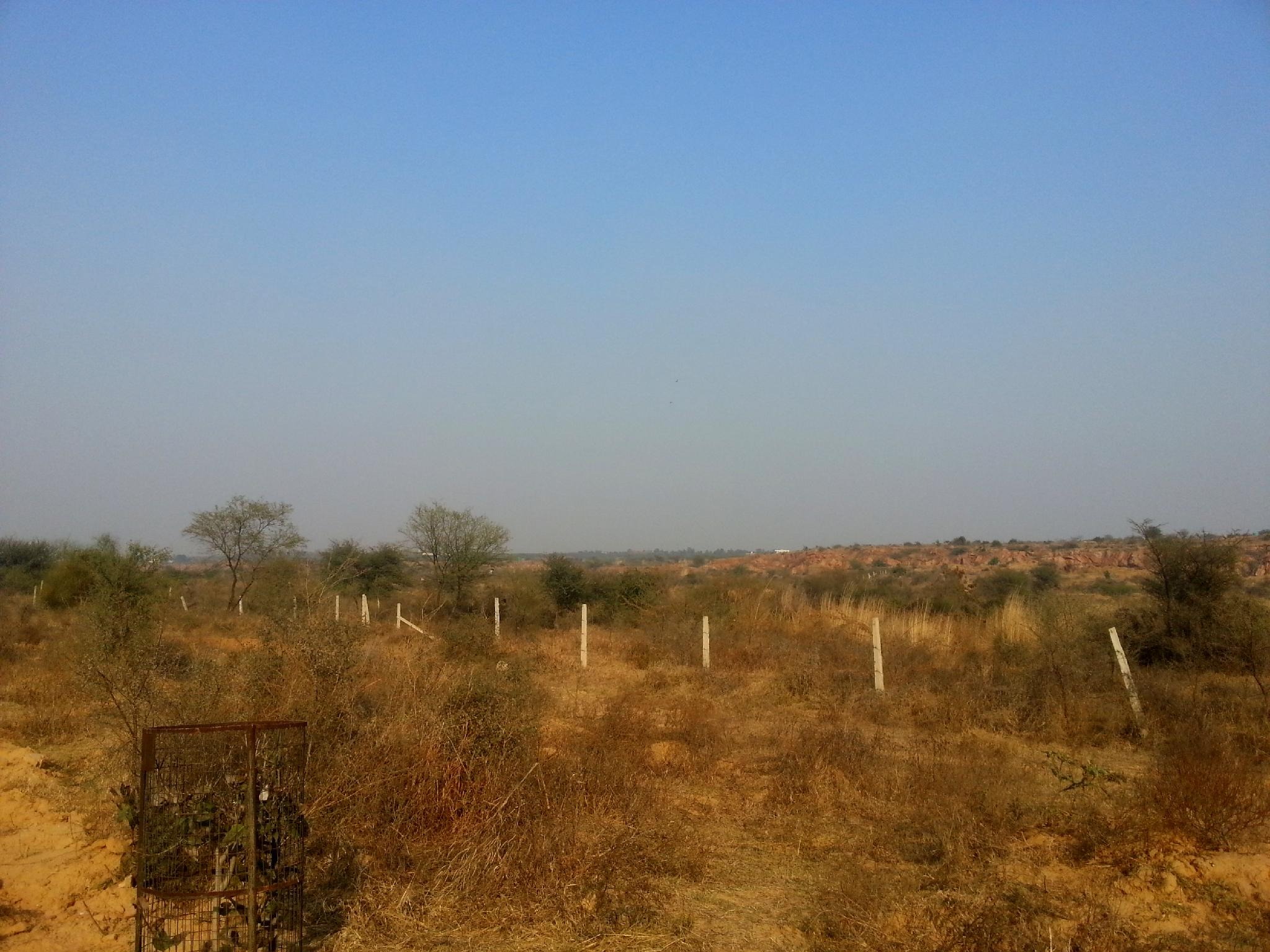
Aravalli Biodiversity Park
Aravalli Biodiversity Park spans 380 acres of ecologically restored Aravalli forest in Sector 77, recognised as India’s first IUCN “Other Effective Area-based Conservation Measure.” Home to over 300 plant species and 200 bird species, it stands as a haven for biodiversity. Managed by IAmGurgaon, it remains a major conservation success.
Sector 77, Gurugram

Leisure Valley Parks
Leisure Valley Parks form a linear chain of green spaces along Leisure Valley Road in Sector 29. The parks offer walking and jogging tracks, manicured gardens, and open-air fitness areas right in the heart of the city, a popular destination for residents seeking fresh air, exercise, and a peaceful green escape.
Leisure Valley Road, Sector 29
Rajiv Gandhi Renewable Energy Park
Rajiv Gandhi Renewable Energy Park serves as an interactive demonstration site for renewable energy technologies, including solar panels, wind turbines, and biogas systems. It doubles as GurgaonFirst’s base of operations, promoting sustainability awareness, and is open to school groups and community visits.
Leisure Valley Road, Sector 29
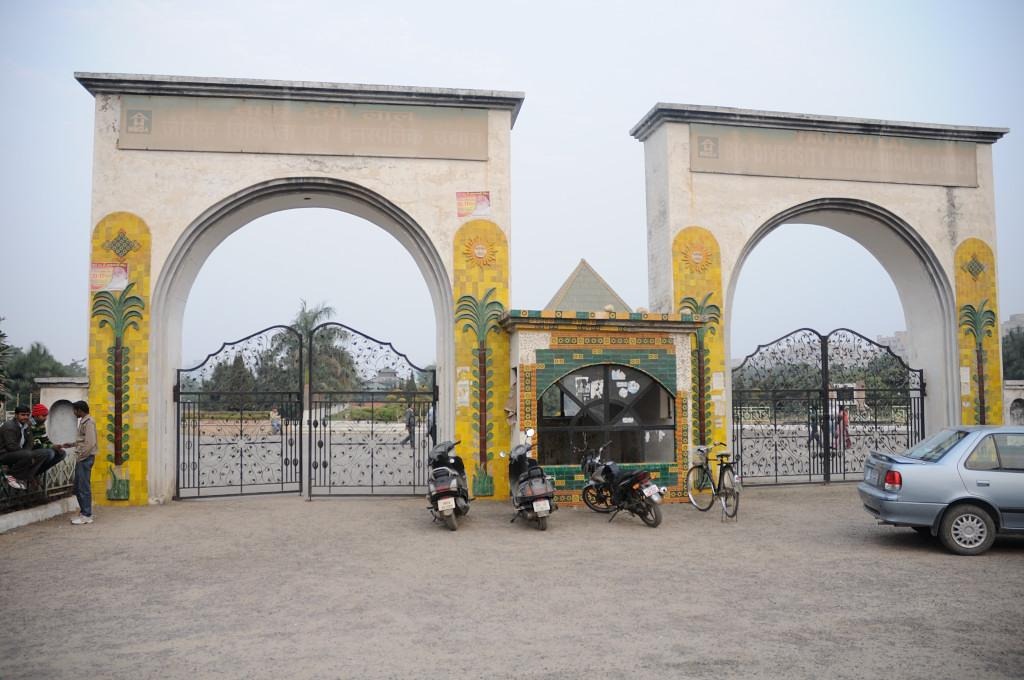
Tau Devi Lal Park
Tau Devi Lal Park serves as the green lungs of Sector 52A, enjoying a prime location near the HUDA metro station. This well-maintained botanical park attracts morning walkers and joggers seeking a break from their hectic schedules in this growing city.
Jogging Track, Sector-53, Gurugram
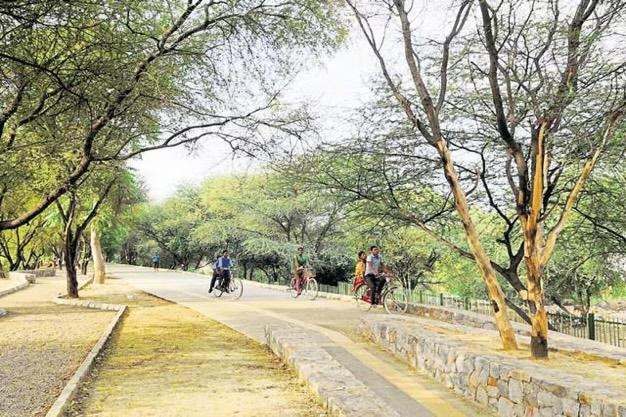
Chakkarpur Bundh
Chakkarpur Bundh provides a vital habitat for native trees, shrubs, birds, and insects, helping improve the city’s green cover and air quality. Residents enjoy walking, jogging, cycling, and birdwatching here. Beyond recreation, the Bundh also hosts community events and environmental education programs, fostering local ecological awareness.
Hamilton Court Road, DLF Phase-IV, Sector-27, Gurugram

Lohagarh Farms
Lohagarh Farms makes for a great day-trip destination for families and friends alike. The property offers activities suited to all ages, including tractor rides, horse rides, and a petting zoo, set amid open, rustic surroundings where visitors can unwind and connect with nature together.
Village Kherki Daula, Gurugram
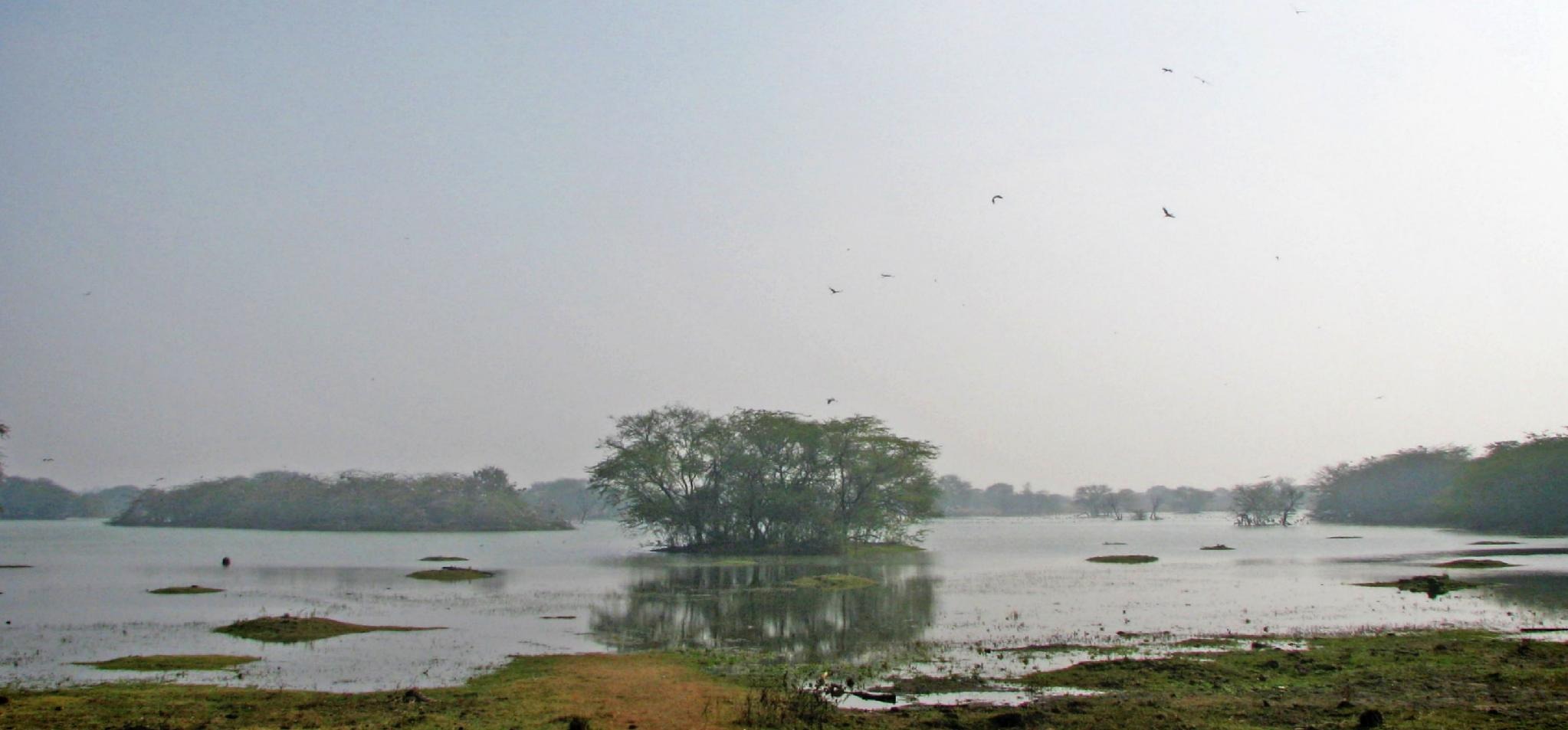
Sultanpur Bird Sanctuary
Sultanpur Bird Sanctuary is a paradise for birdwatchers, built around a lake encircled entirely by a walking trail. Diverse water bird species can be spotted swimming here, and around 90 migratory species arrive yearly seeking feeding grounds and winter shelter. Its small lake islands are a highlight, where Painted Storks breed and raise young.
National Park, Gurgaon-Farrukhnagar Road, Sultanpur, Gurugram Ghata Jheel
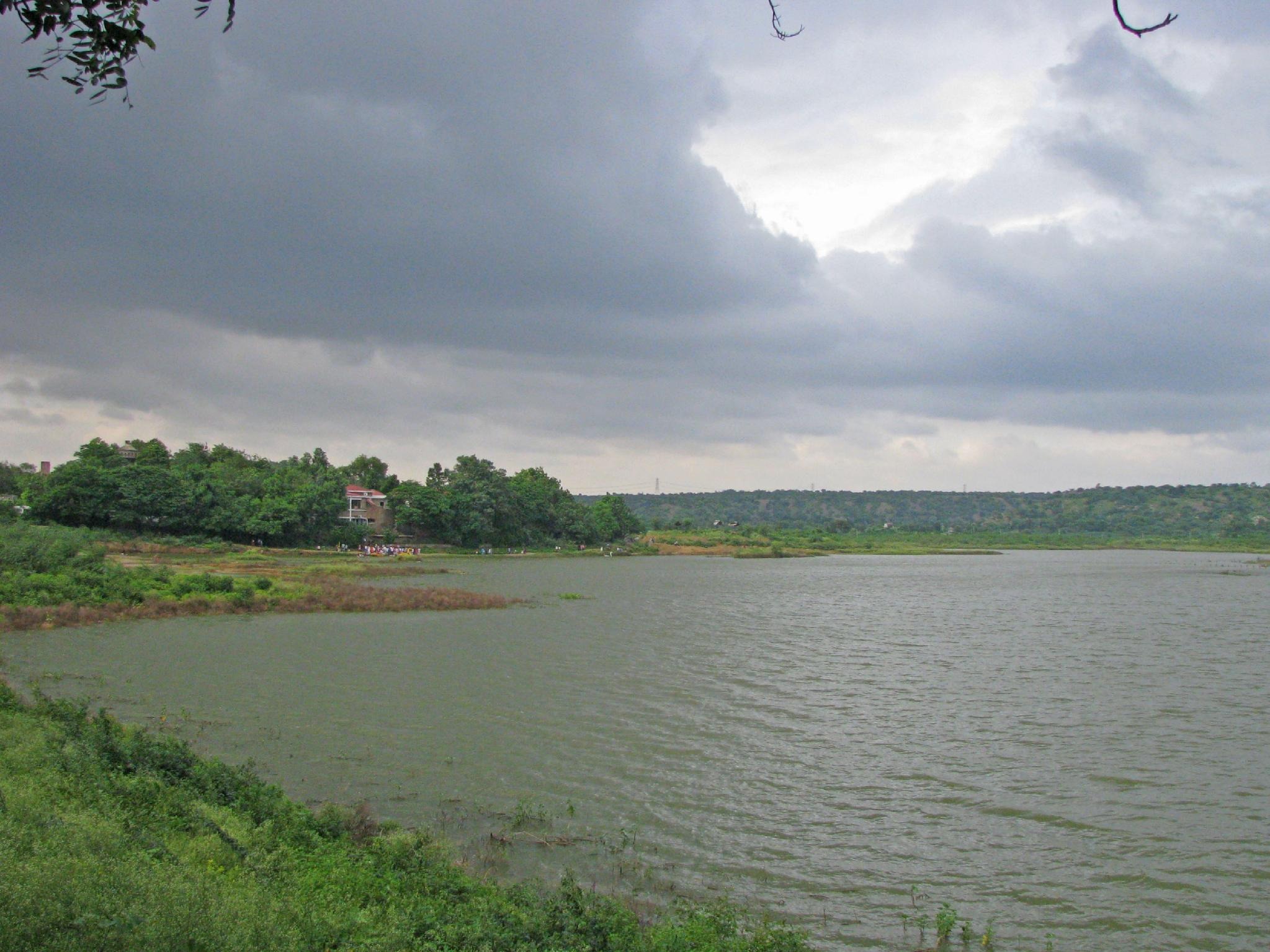
Damdama Lake
Damdama Lake is a scenic reservoir near Sohna, formed by a dam across a natural depression in the Aravalli hills. A popular weekend getaway from Gurugram, it draws visitors for boating, camping, and adventure activities like rock climbing and paragliding, offering a peaceful retreat surrounded by hills and forest.
Damdama Lake, Sohna, Haryana
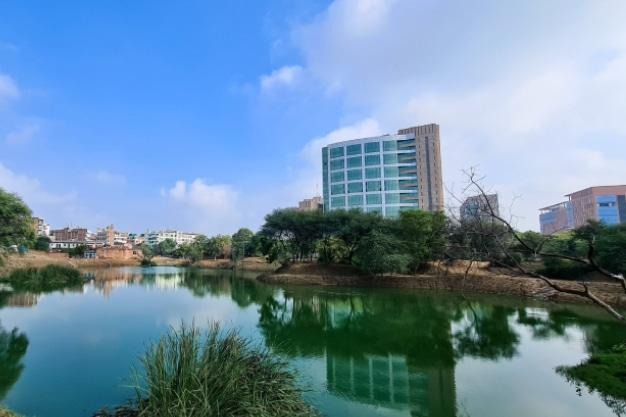
Sikanderpur Pond
Sikanderpur Pond, nestled in the heart of Gurugram, is more than just a waterbody — it stands as a testament to environmental restoration and community spirit. Once neglected, the pond has been transformed into a thriving wetland and green haven, supporting local biodiversity amid the city’s dense urban development.
36, Block-H, DLF Phase-I, Sector-26, Gurugram
Heritage Walks
Layers of History waiting to be discovered
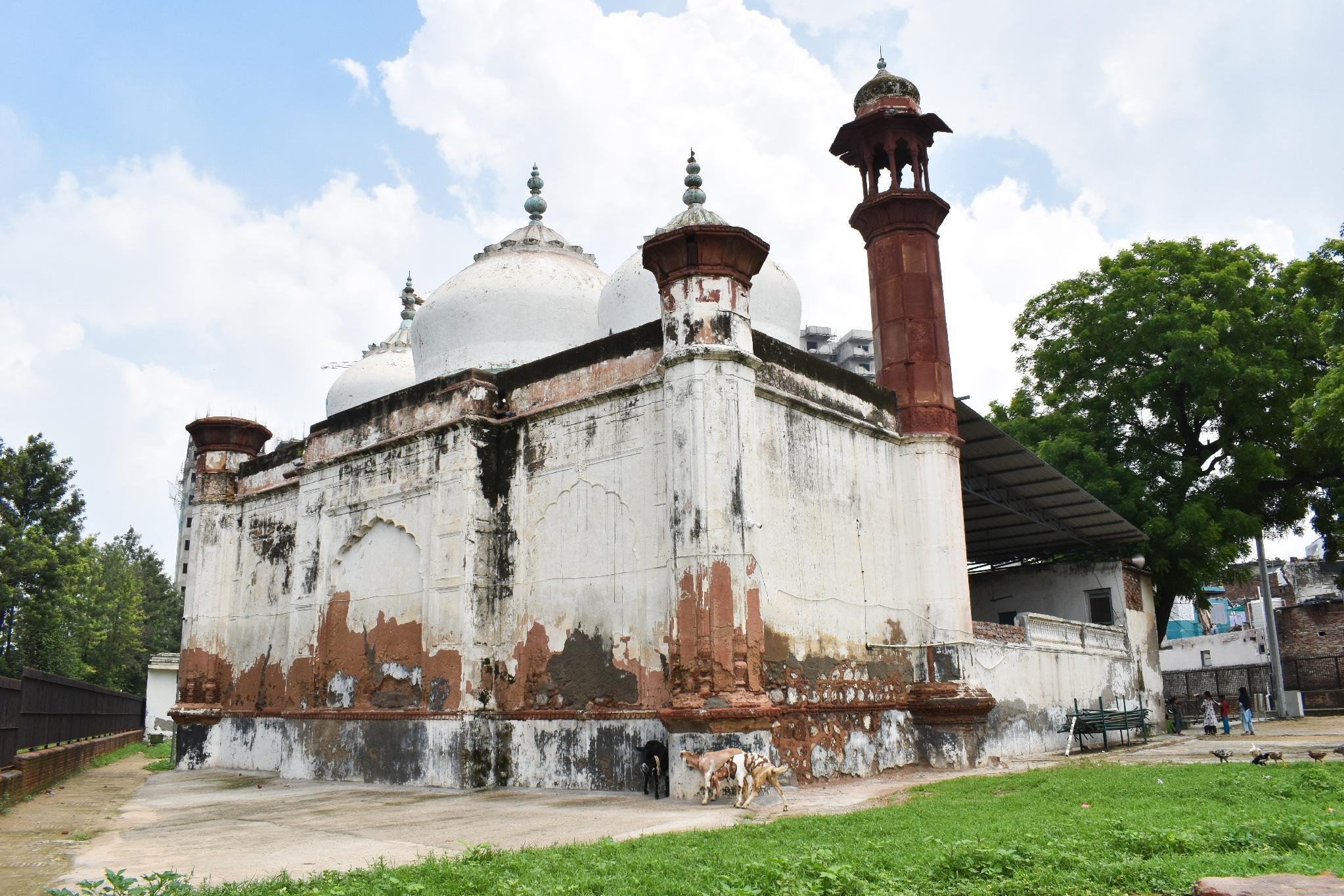
Sarai Ali Vardi Khan Mosque
This sarai (rest house) and adjoining mosque were built by Nawab Ali Vardi Khan during the reign of Mughal King Muhammad Shah Rangila in Delhi. Such mosque-and-sarai complexes were erected at every eleventh mile between Delhi and Ajmer for travellers’ convenience, with the mosque’s front platform serving multiple purposes.
Chauma Road, Sarai Ali Vardi, New Palam Vihar Phase-I, Sector-110, Gurugram
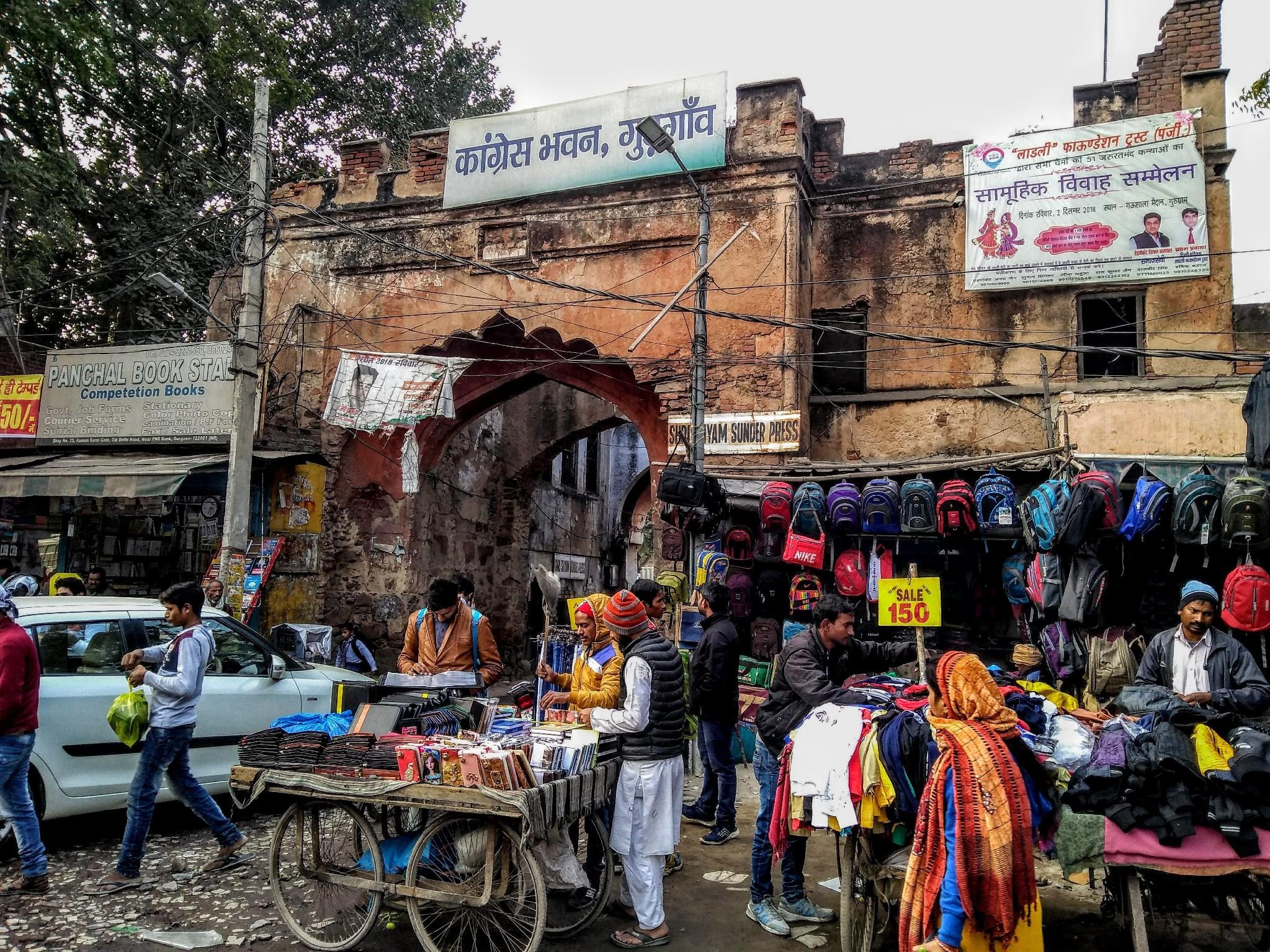
Kaman Sarai
Built in the 18th century, Kaman Sarai’s gate was designed in the form of a multifoil arch. Its interior façade features rounded arches with windows set above the small shops that once lined both sides of the passage, which served as a halt for merchants doing business at Sadar Bazaar.
Adarsh Nagar, Sector-12, Gurugram
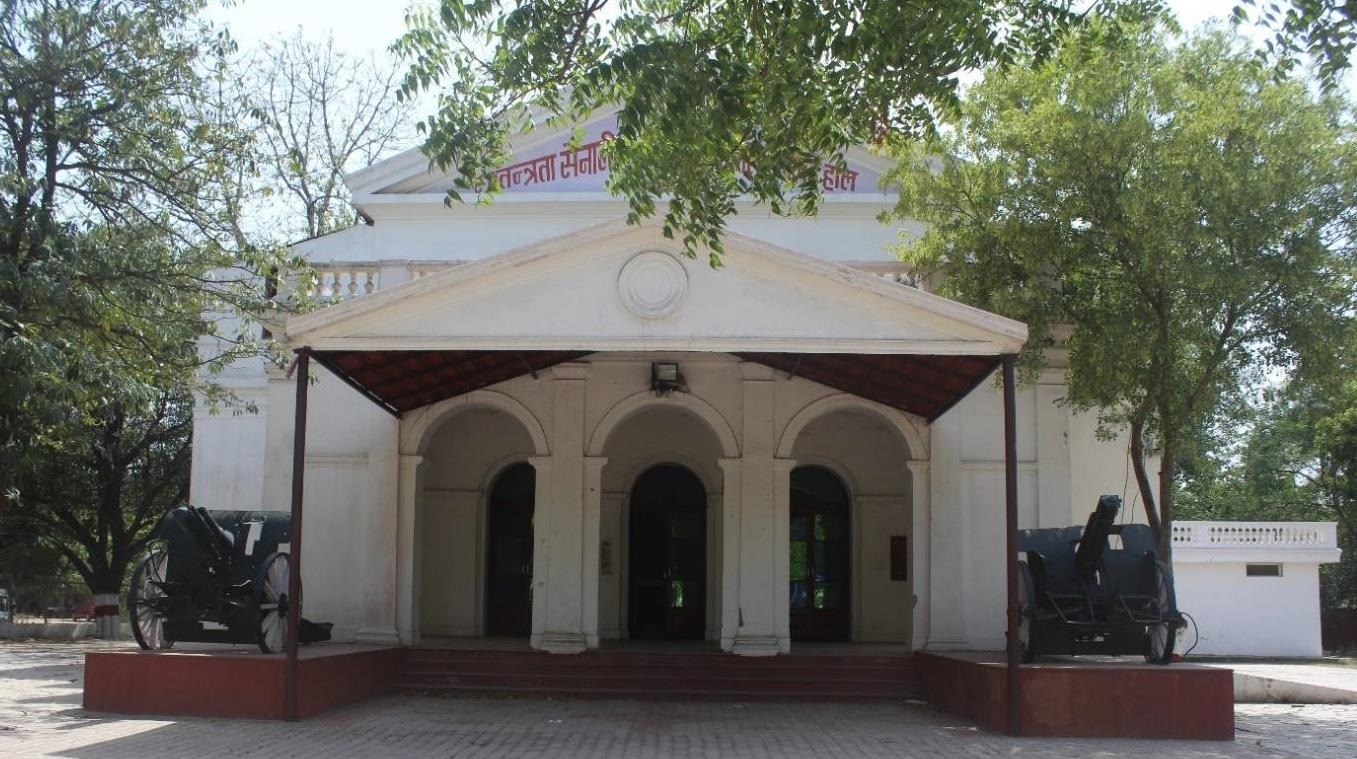
John Hall
John Hall was built around the 1920s by Gurgaon’s Deputy Commissioner, Frank L. Bryne, in honour of his late son, John G. Bryne. Later renamed the Agricultural Hall, the building continues to serve the community today, hosting meetings and public functions, linking the city to its colonial-era administrative history.
Civil Lines, Gurugram
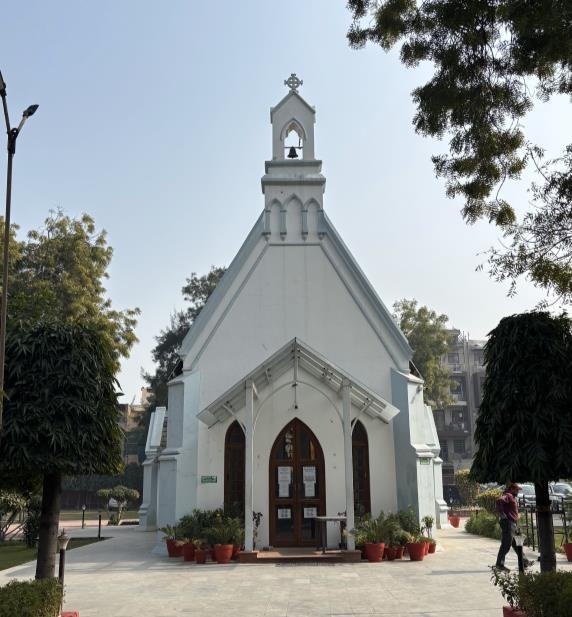
Church of Epiphany
Tucked into a quiet corner of Civil Lines, the Church of Epiphany was consecrated in 1866 by the Bishop of Calcutta. It was built to serve a small congregation of British officers stationed in the district at the time, and the modest structure remains a quiet reminder of Gurugram’s colonial past.
Officers’ Colony, Civil Lines, Gurugram
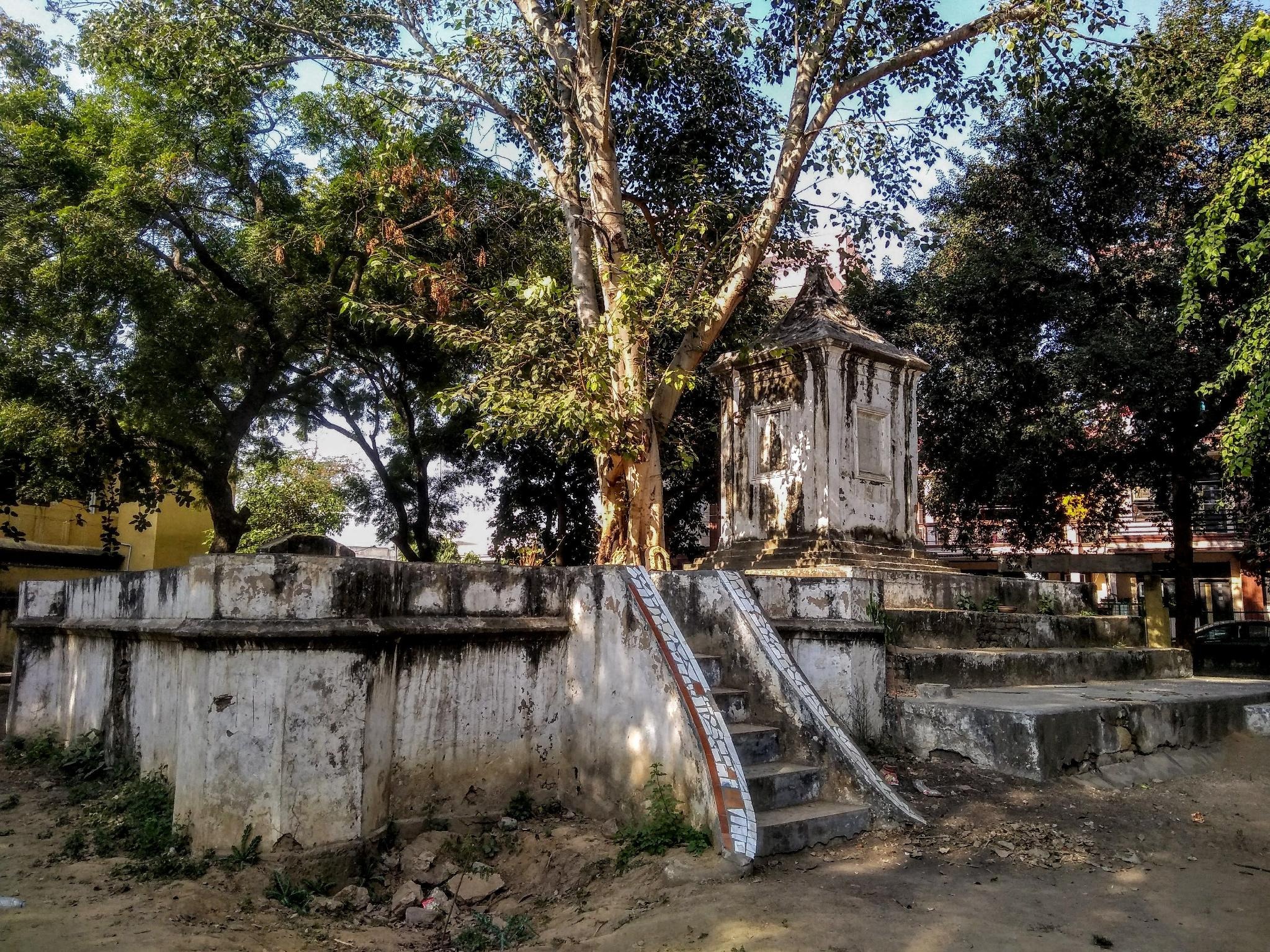
Tomb of Major Jean-Étienne
Located at the centre of one of three parks in Gurgaon’s Mohyal Colony, this structure features a tombstone atop a platform reached by four stairs running along three sides. Its inscription reveals the monument was erected in memory of Major Jean-Étienne, born in Bordeaux, France, who died in 1821 aged 75.
Mohyal Colony Main Road, Mohyal Colony, Sector-40, Gurugram
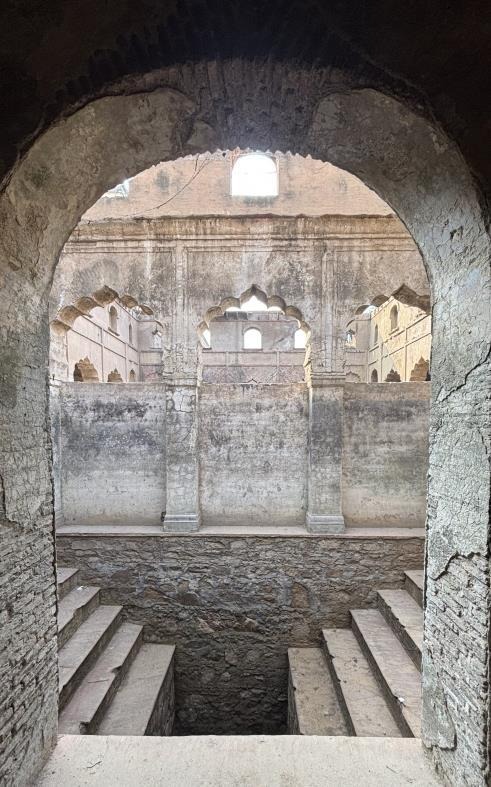
Badshahpur Baoli
This stepwell was built in 1905 by a Badshahpur landlord to preserve water and shelter pilgrims and travellers journeying between Delhi and Jaipur. Featuring descending tiers of steps leading to the water source below, the baoli reflects the practical ingenuity of traditional water architecture and remains a quiet historical landmark.
Esencia Ansal, Sector-67, Gurugram
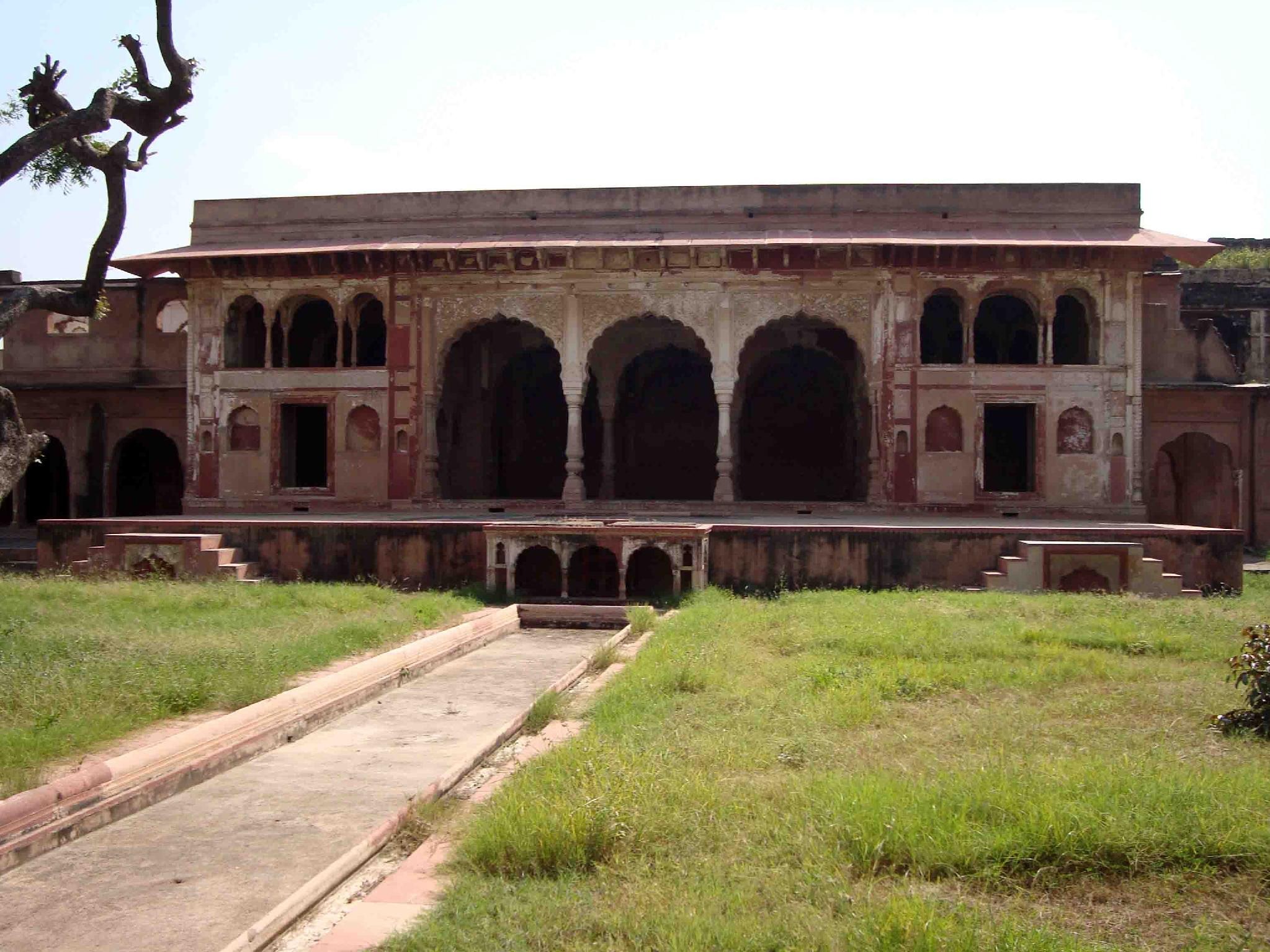
Sheesh Mahal
Located in historic Farrukhnagar, roughly 30 km from Gurugram, Sheesh Mahal is a striking 18th-century palace built by Nawab Faujdar Khan, a governor under Mughal emperor Farrukhsiyar. It takes its name from the intricate mirror work that once adorned its interiors, exemplifying late Mughal-Rajput architecture.
Farrukhnagar, Gurugram District
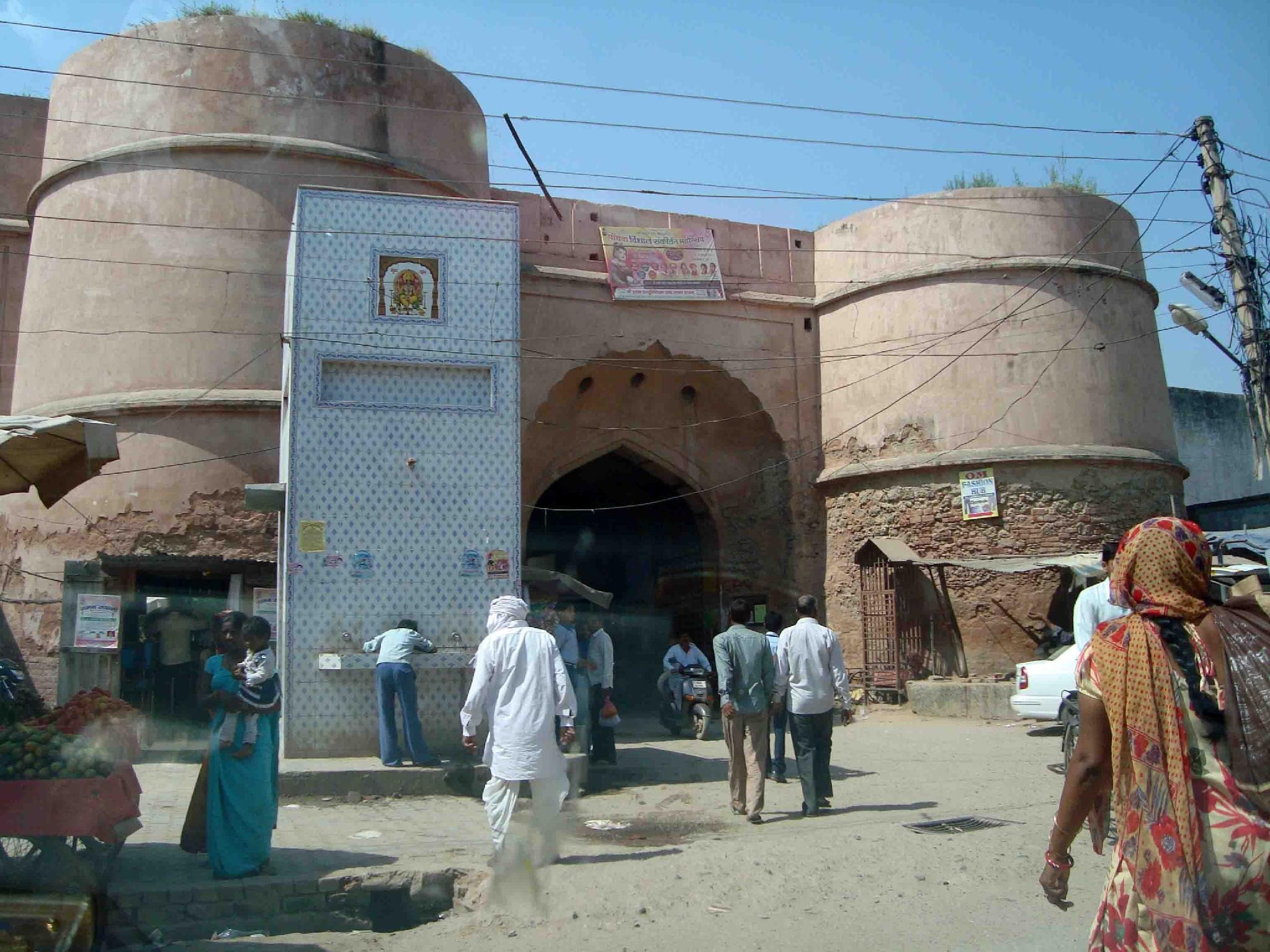
Farrukhnagar Fort
Adjacent to the Sheesh Mahal stands the imposing Farrukhnagar Fort, also built by Nawab Faujdar Khan in 1732. Once a thriving Mughal military and administrative outpost, the fort features traditional bastions and a grand gateway, and though partially in ruins, still reflects its strategic importance during the late Mughal and early British periods.
Main Market Road, Farrukhnagar, Gurugram District
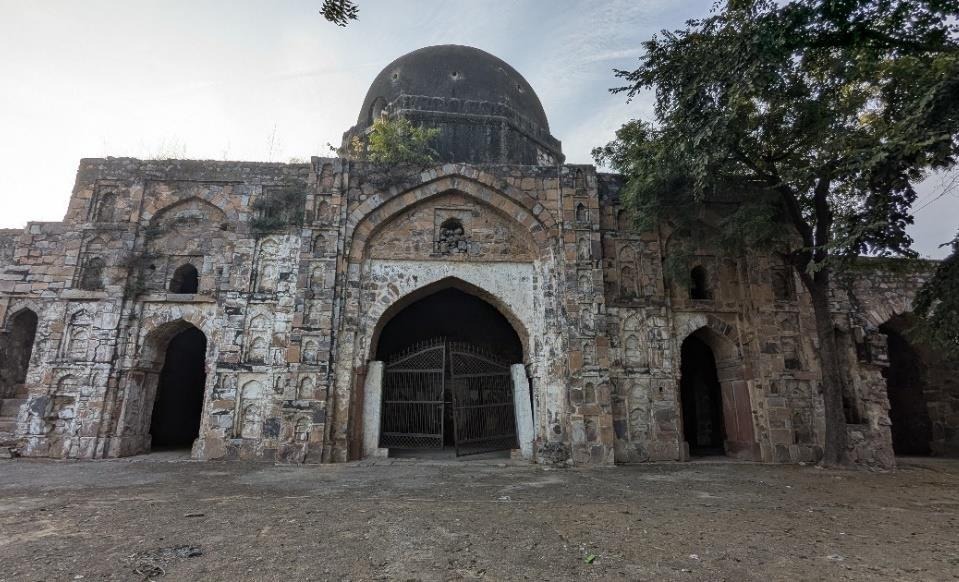
Qutub Khan Ki Masjid
Situated in Sohna, roughly 25 km south of Gurugram, Qutub Khan Ki Masjid is believed to date to the 15th century, built during the Lodi or Tughlaq dynasty. Though partially ruined today, it retains arches, stonework, and remnants of a large courtyard, offering a glimpse into early Indo-Islamic religious architecture.
Saini Colony, Sohna, Haryana
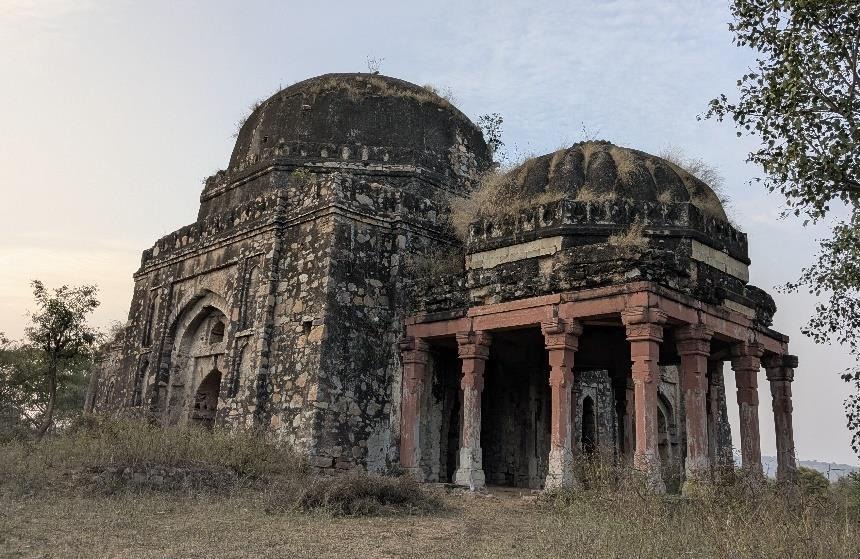
Lal Gumbad
Also located in Sohna, Lal Gumbad is a tomb constructed from red sandstone, likely dating to the Lodhi rulers of the Delhi Sultanate. Its singular dome and minimal ornamentation reflect the region’s medieval Islamic heritage, and though its exact origins are unclear, it is believed to commemorate a local saint or noble.
Sohna, Haryana
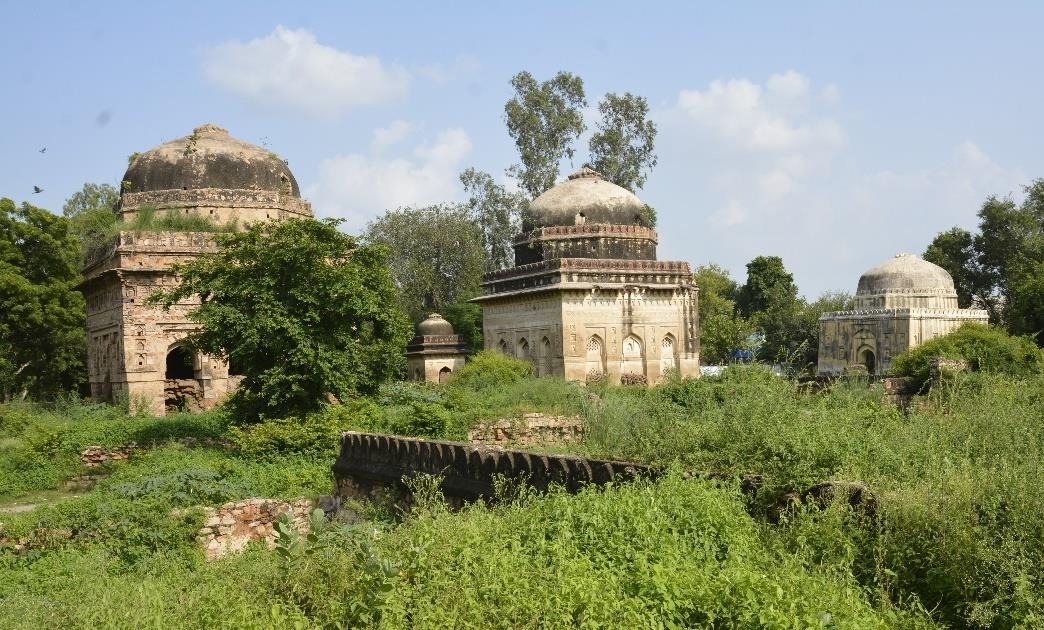
Tauru Tombs
Located in Tauru, now part of Nuh district but historically under Gurgaon, this cluster of medieval tombs reflects the funerary architecture of the Lodi and early Mughal periods. The tombs vary in size and design, mirroring the diverse social status of those buried there, rewarding heritage enthusiasts exploring the region’s lesser-known corners.
Bypass Road, Near Ashoka Filling Station, Tauru, Haryana
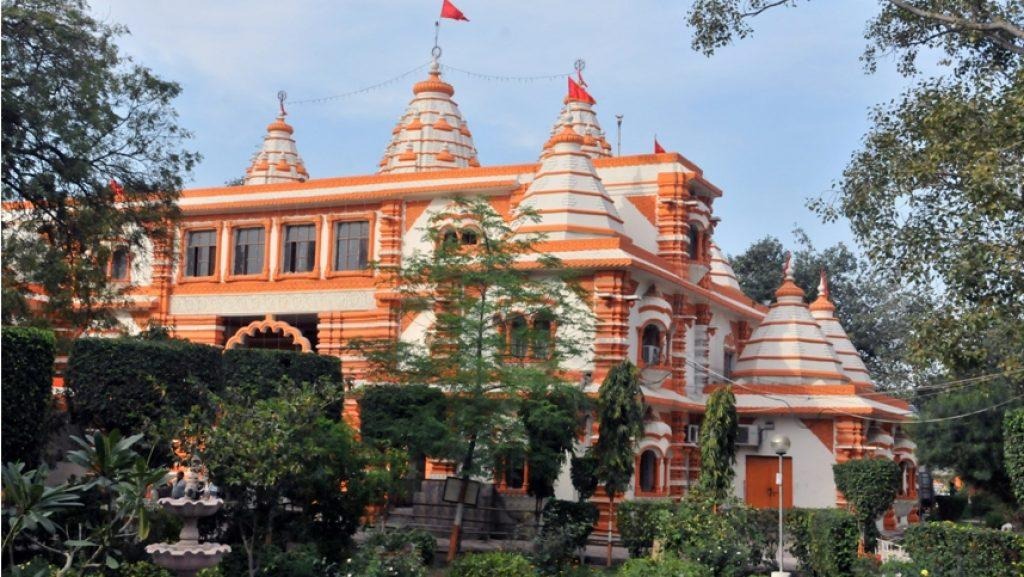
Sheetla Mata Mandir
This temple was built around 1765 by Maharaja Jawahar Singh of Bharatpur to commemorate a peace treaty signed with the Afghan ruler Najib-Ud-Daula of Delhi. Dedicated to Sheetla, the North Indian healing goddess, it features a trabeate structural style with multifoil arches adorning its three storeys.
Sheetla Mata Road, Masani Village, Sector-6, Gurugram
Discover more of Gurugram’s green spaces.
From organic farmers’ markets to cycling trails and Aravalli restoration days — find your eco hub.